
Urban Design. Still relevant in 2026?
|
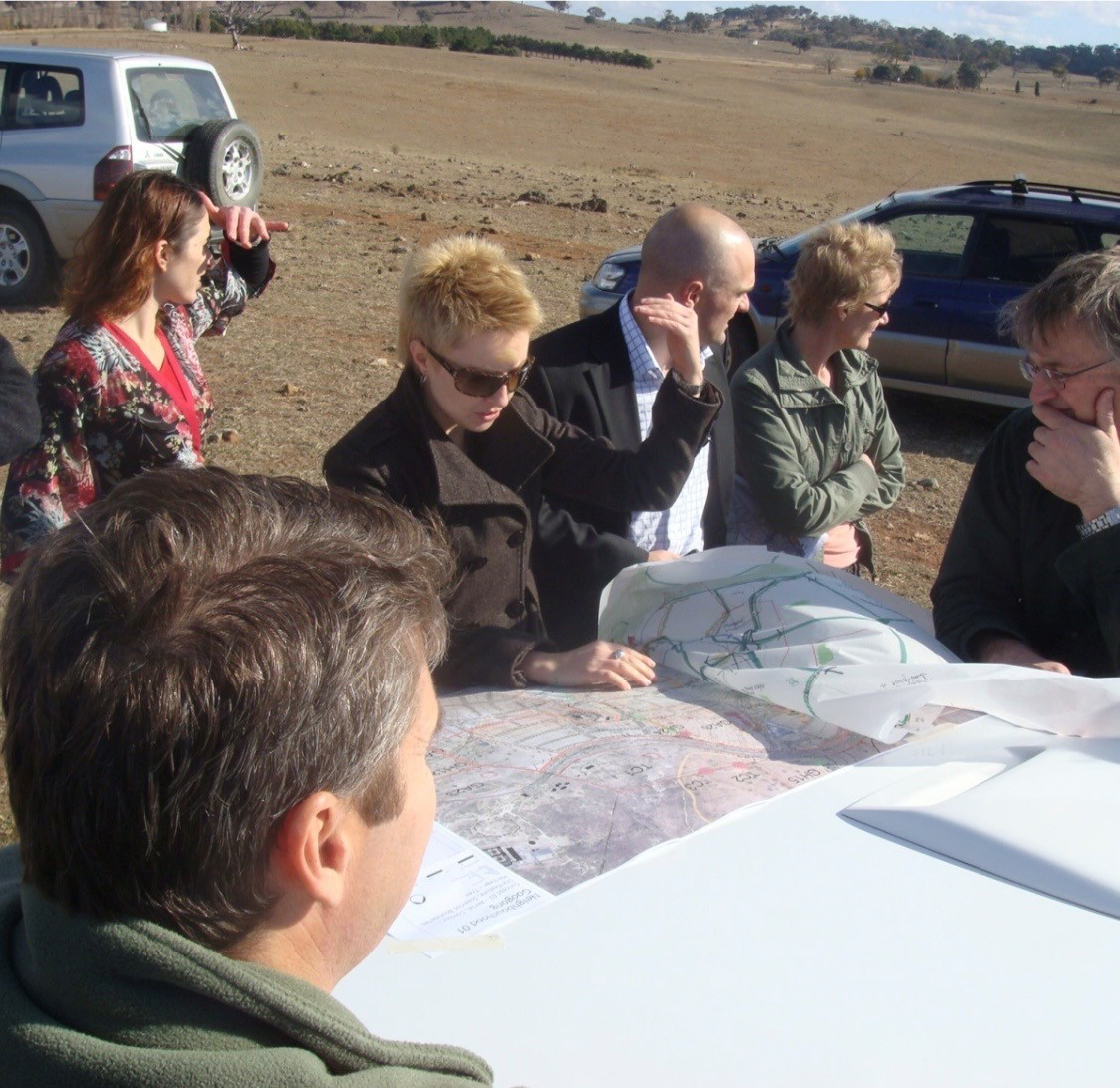
Opportunities were identified immediately.
Issues were resolved in real time.
Compromises were understood collectively.
The best urban design-led workshops helped avoid weeks of modelling iterations, email chains and disjointed decision making. This collapsed front-end design timeframes while improving technical integration and commercial clarity.
For clients - public or private - that acceleration matters. Time is risk. Time is holding cost. Time is capital exposure.
Proven at Scale
Projects such as Googong New Town (Canberra Investment Corporation/PEET/Mirvac), The Coburg Initiative (City of Moreland), Flinders New Town (Pacific International), Merrifield New Town (MAB Corporation), and Brompton Neighbourhood (Wolfdene) demonstrate the impact of urban design leadership and workshops as a central technique.
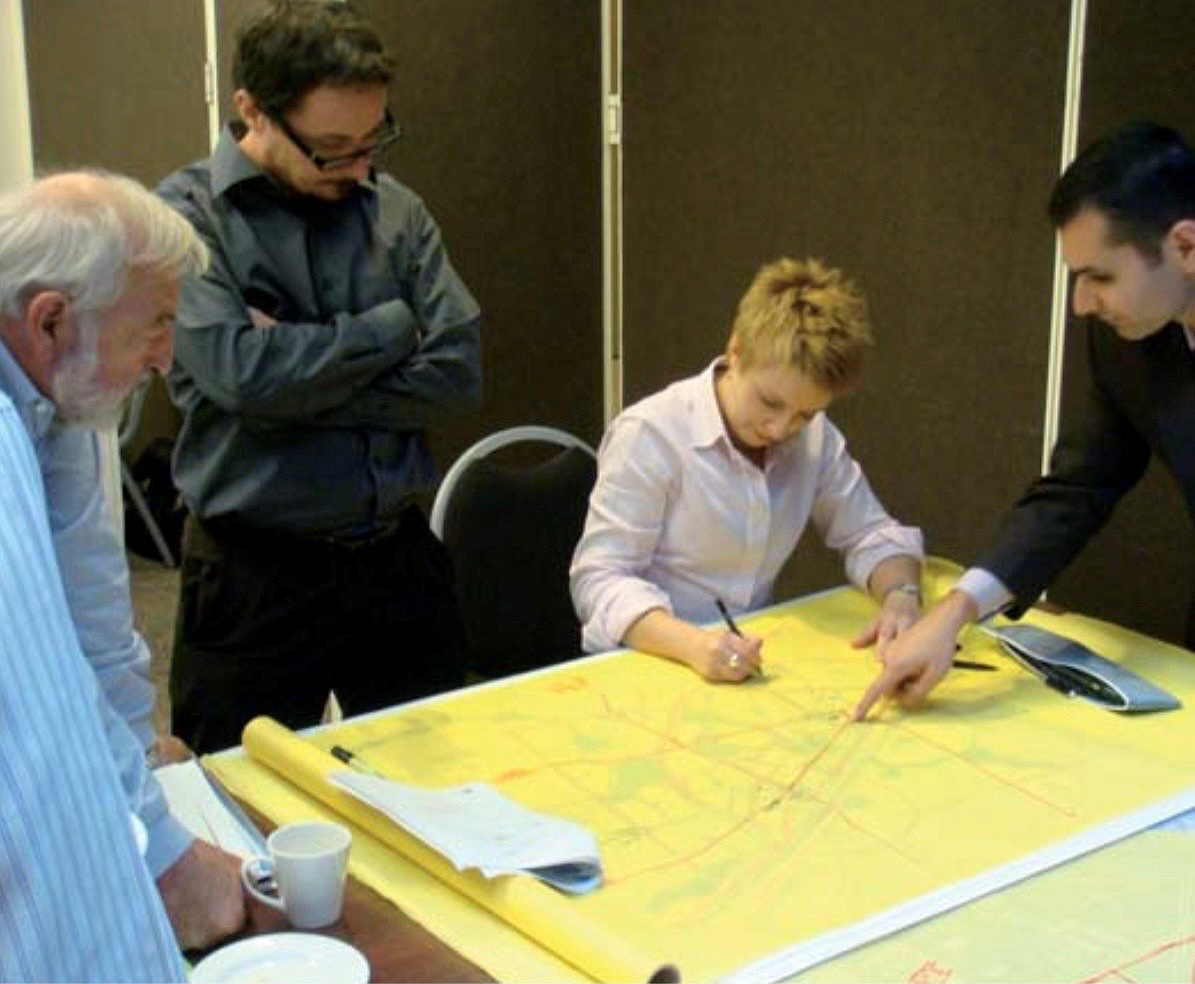
In each case, urban design was also central to:
- Master planning strategy.
- Community and stakeholder engagement.
- Negotiation with local and State Government.
- Integration of commercial and placemaking outcomes.
Urban design told the story of the place but also helped shape that into delivery and that story translated into market confidence, stakeholder buy-in and delivery momentum.
Has the Industry Shifted?
Over the past five years, working client-side on a major urban growth area and infill urban projects, I have observed a shift.
Specialist urban design practices have increasingly been absorbed into larger multidisciplinary or engineering-led firms. Many of the professions most experienced leaders have stepped away from practice. At the same time, the urban design debates of the 2000s around issues such as: connected streets vs cul-de-sacs, mixed use neighbourhoods vs traditional subdivision design, streets for people vs roads for cars has been ‘won’ and are now the mainstay of every planning policy and development industry practice.
The Covid pandemic accelerated a move toward virtual meetings and remote collaboration. While efficient in some respects, this shift has arguably diluted the dynamic, workshop-based design processes that once underpinned integrated master planning.
Is it getting too easy to meet quickly online and too hard to find the real time to collaborate on big questions?
Urban design, in some contexts, risks becoming an add-on, a service applied after key layout and infrastructure decisions have already been made. If that becomes the norm, the industry loses something critical.
Urban Design in the Housing Crisis
In 2026 the relevance of urban design is greater than ever. Australia is in a housing crisis characterised by high demand for greenfield and infill housing, high costs, affordability pressures, and also increasing scrutiny from communities and government.
In the greenfield context, housing supply is being built as quickly as infrastructure allows. There are many fine residential projects underway, but arguably some that might fall short of delivering on the long-term quality that is needed to create neighbourhoods of lasting value for the communities that ultimately make it their own.
As we pursue more compact growth area neighbourhoods, mixed use infill sites and chase the ‘Missing Middle’ housing types in our established neighbourhoods, we need leadership grounded in a strong built form understanding, delivery logic and commercial literacy.
Balancing yield pressure with enduring place value is a delicate act, but it is precisely where urban design adds the most value.
A Commercial Imperative, Not a Luxury
For the property industry, the question is not whether urban design is relevant. The question is whether projects can afford to proceed without urban design leadership and facilitation.
Experienced urban designers are well positioned to align multidisciplinary inputs, strengthen stakeholder engagement and protect the long-term market appeal of a project.
Urban design remains essential for clients and agencies seeking to do ‘’more with less’’ while delivering housing that communities can afford and places that are vibrant, durable and commercially successful.
The opportunity now is for urban design practices and for clients to place the discipline back at the centre of the master planning and delivery process.
Because in 2026, the industry does not need more drawings, it needs integrated leadership, integrated design and integrated thinking - which is the skill of urban designers.